Uganda
Shoebill stork spotting paradise
A birding paradise near Lake Victoria, home to the prehistoric-looking Shoebill stork and a rich variety of wetland birds, wildlife, and natural habitats.
Uganda
Shoebill stork spotting paradise
A birding paradise near Lake Victoria, home to the prehistoric-looking Shoebill stork and a rich variety of wetland birds, wildlife, and natural habitats.
About This Destination
The Best Place in Africa to Spot the Rare Shoebill Stork
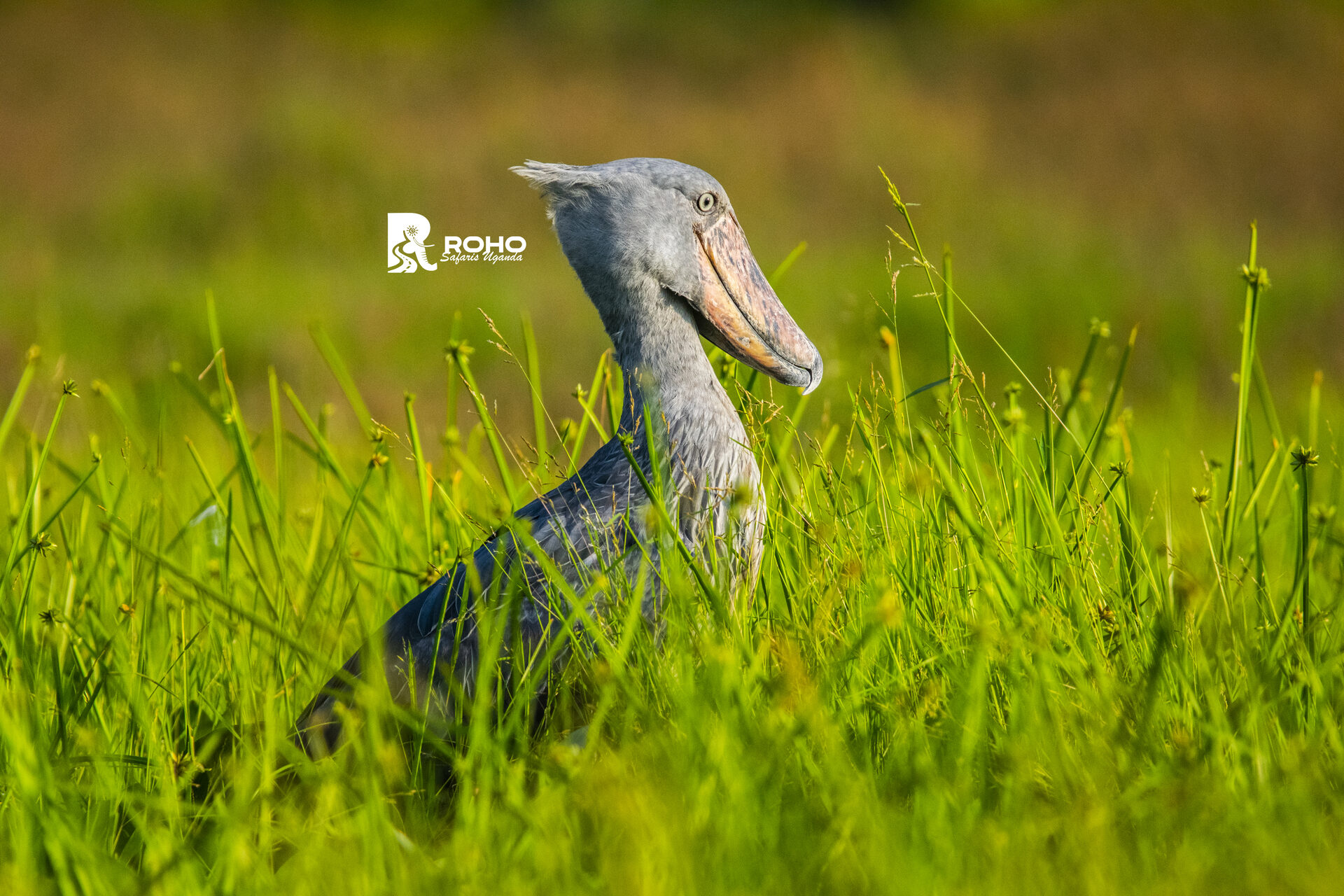
Imagine gliding silently through calm swamp channels at sunrise, surrounded by papyrus reeds, as you search for one of Africa’s most mysterious and prehistoric-looking birds, the elusive shoebill stork.
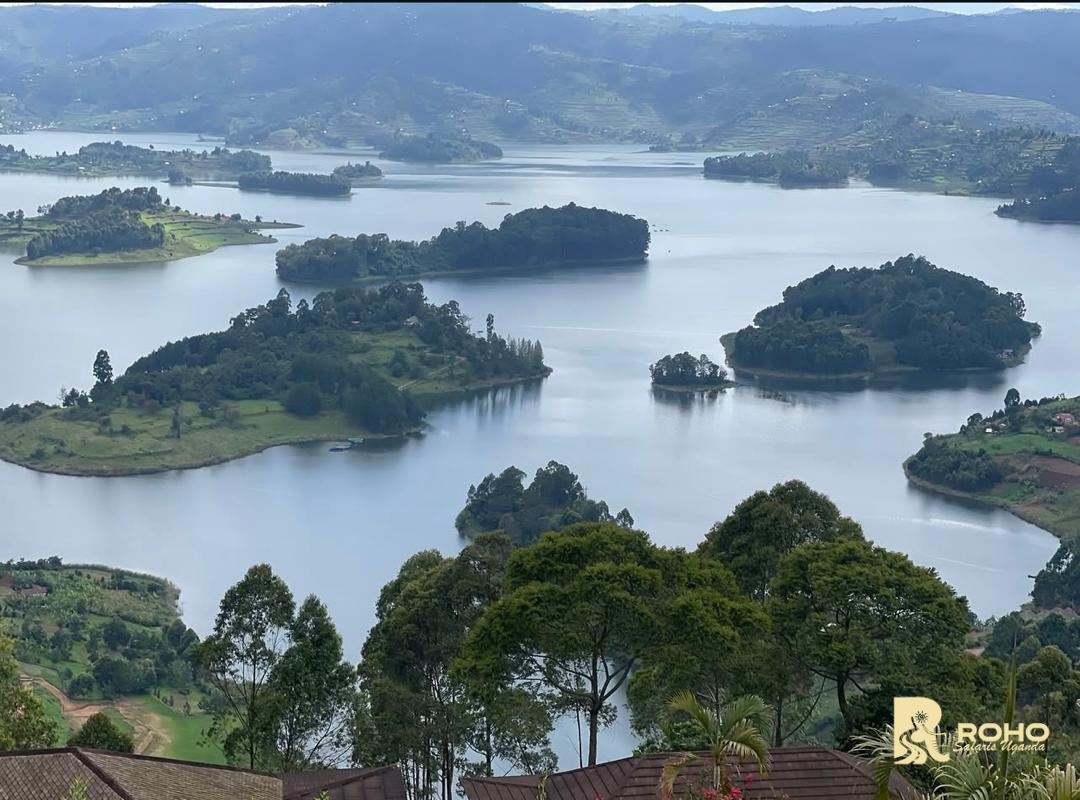
Located on the northern shores of Lake Victoria near Entebbe, Mabamba Swamp is one of Uganda’s most important wetland ecosystems and a globally recognized birdwatching destination.
It is especially famous for offering one of the highest chances in Africa to see the rare shoebill stork in its natural habitat.
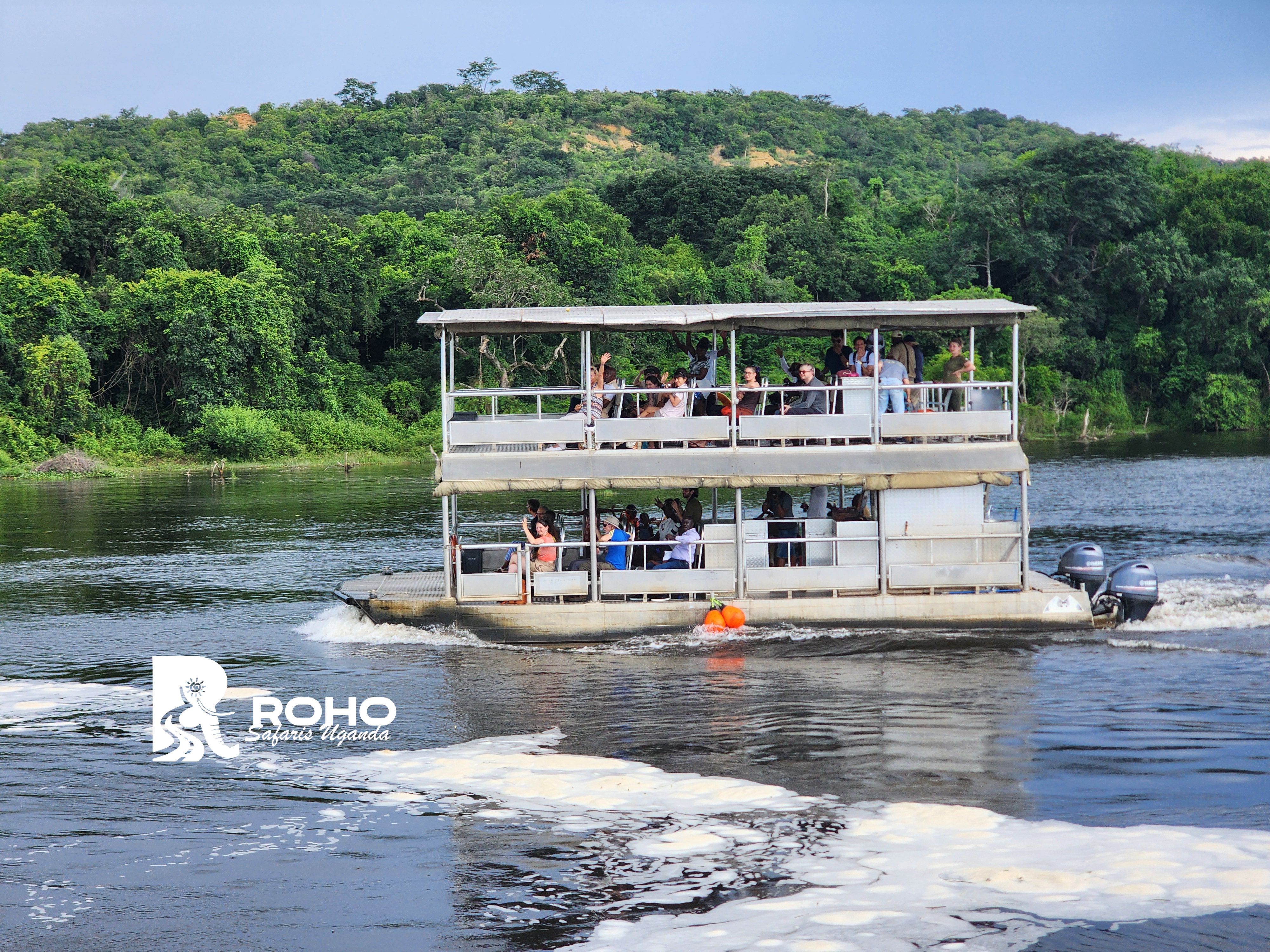
Birdwatching in Mabamba is done by traditional canoe, guided by local experts who navigate narrow water channels lined with dense papyrus.
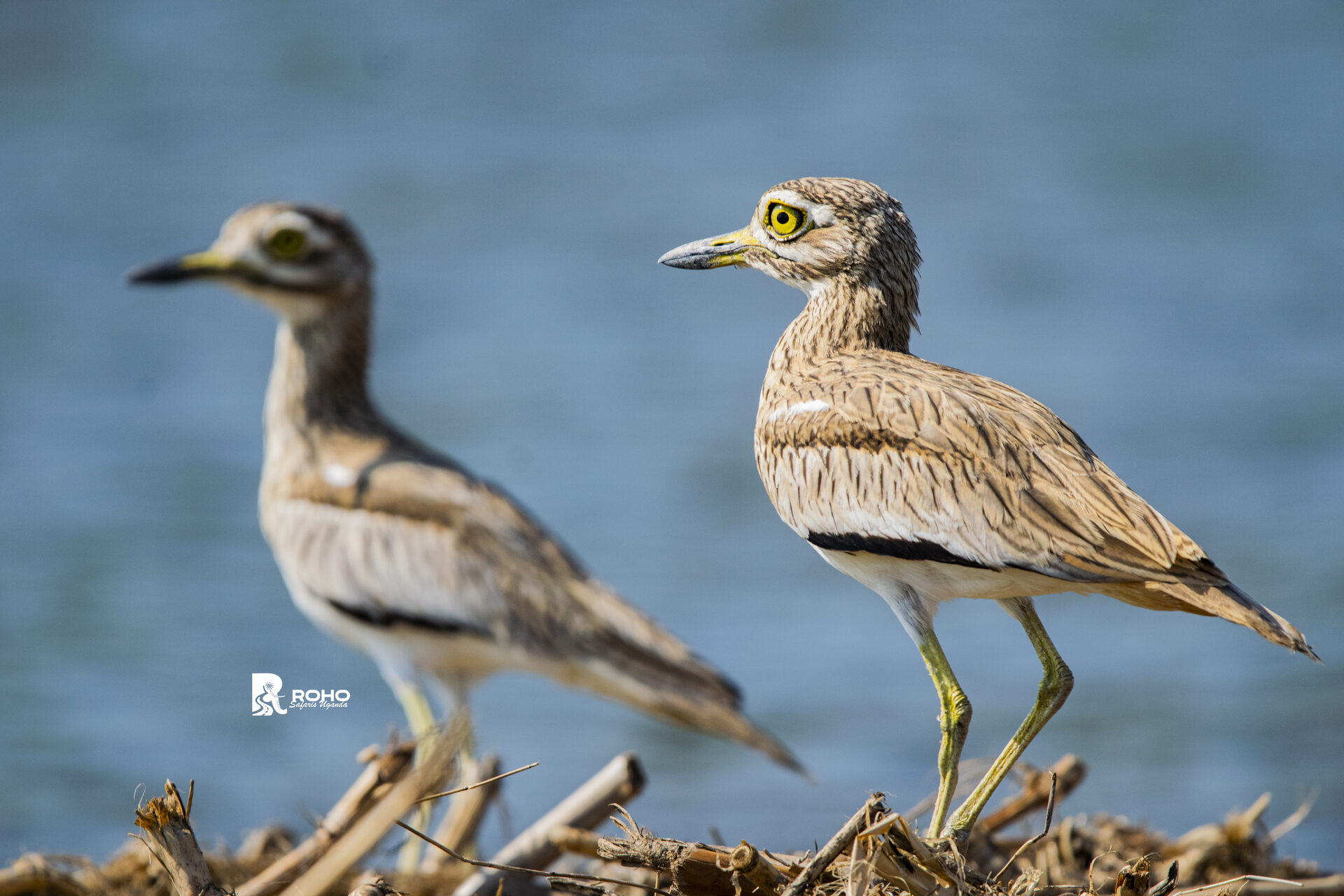
In addition to the shoebill, visitors can spot a variety of bird species including kingfishers, herons, African jacanas, and malachite storks, making it a paradise for bird lovers and photographers.
The swamp is easily accessed from Entebbe or Kampala, with a short drive followed by a canoe excursion arranged at the landing site.
The best time for birding is early morning when wildlife activity is at its peak and lighting conditions are ideal for photography.
Mabamba Swamp is perfect for half-day or full-day excursions and combines well with visits to Entebbe Botanical Gardens or Lake Victoria shores.
Roho Safaris Uganda organizes guided birding trips, shoebill tracking tours, and photography-focused experiences in Mabamba.
Things To Do
Shoebill tracking in Mabamba Bay Wetland is a quiet boat excursion through papyrus swamps in search of the rare shoebill stork. It’s a slow, patient experience that rewards you with one of Africa’s most iconic and prehistoric-looking birds.
Bird watching in Mabamba is world-class, with birds like papyrus gonolek, herons, and kingfishers filling the wetland and other wetland bird species. Early morning outings are especially rewarding as bird activity is at its peak.
Community visits around Mabamba allow you to meet local fishermen and learn how they live alongside the wetland. It’s a meaningful way to understand how conservation and daily life are closely connected in the area.
Explore More
Working together to promote responsible tourism and wildlife conservation across East Africa